Wading In: Volunteers Help Bring Back the Canebrake
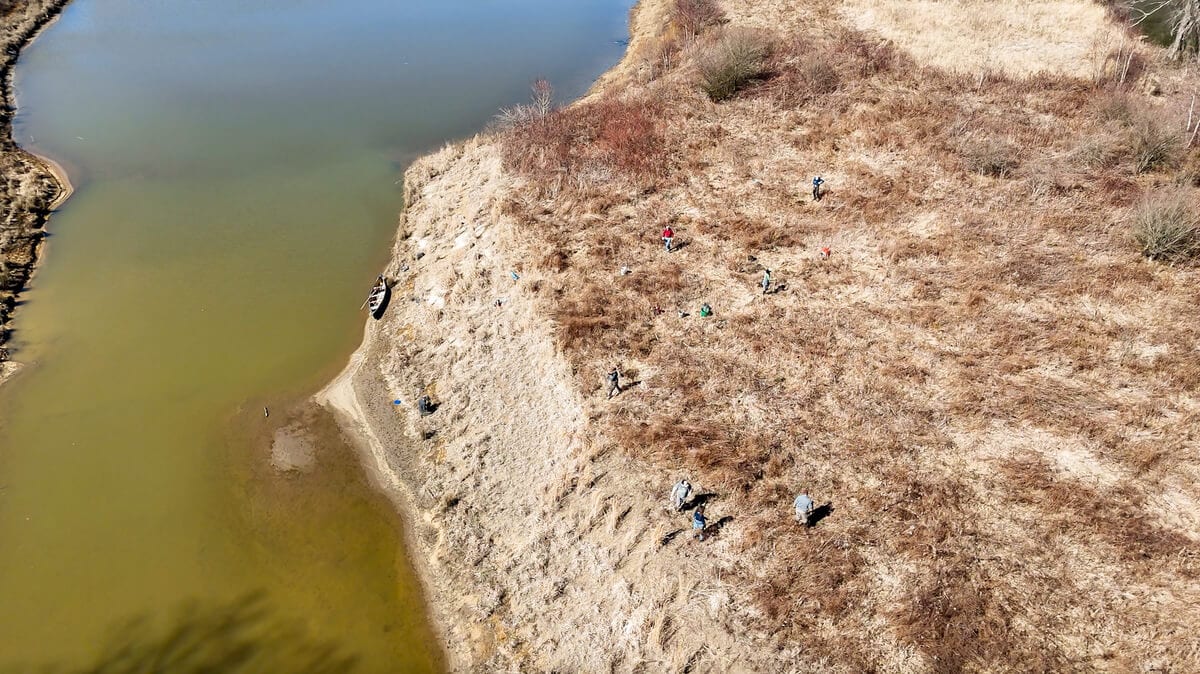
Some conservation work requires a little extra commitment. On a recent volunteer workday at our Pleasant Grove floodplain restoration site, that commitment meant pulling on waders and sloshing through standing water just to reach the planting area — a small adventure that set the tone for a day none of our volunteers are likely to forget.
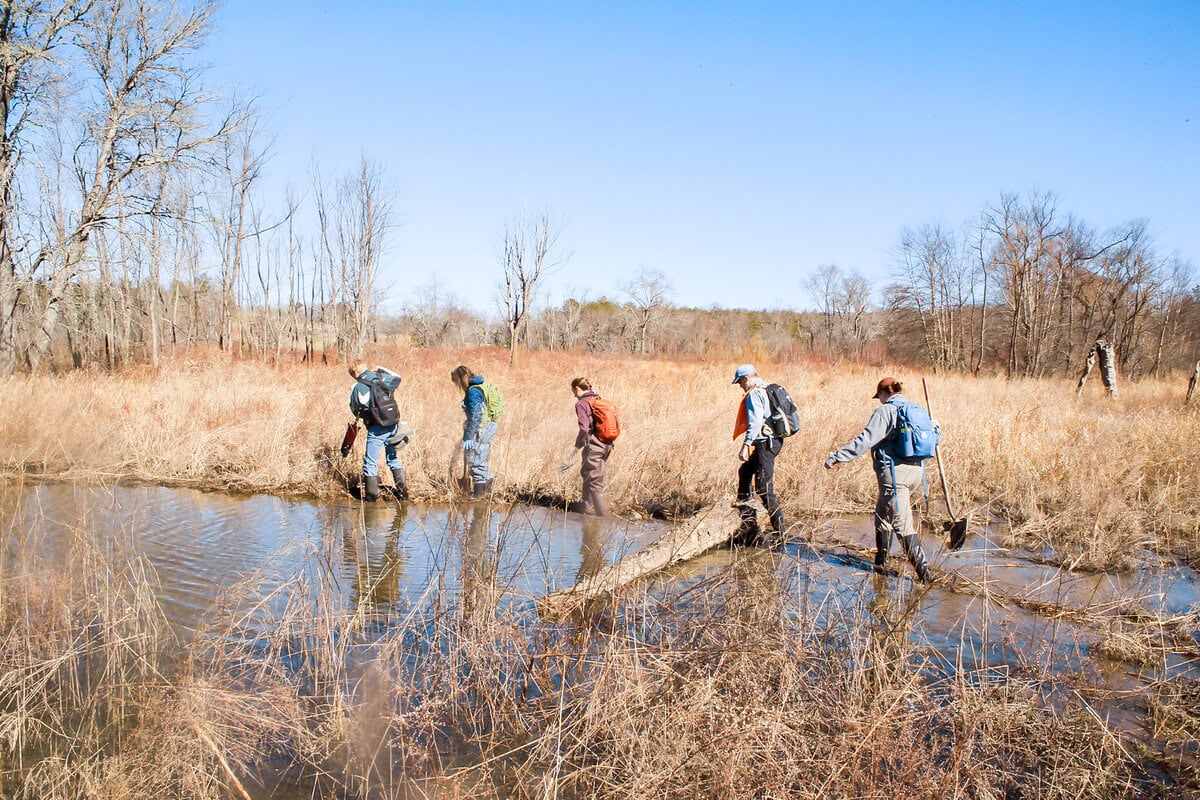
If you’ve been following along, you may remember our earlier story about Pleasant Grove’s unexpected new residents: a family of beavers who quietly moved in and began reshaping the landscape. True to form, beavers don’t ask permission, and their engineering work has altered the site’s hydrology in ways that are actually quite good for the floodplain — even if it does make for a wetter walk to work. With boots (and spirits) high, our volunteers waded in.
The Mountain Canebrake
The mission for the day was to plant native river cane, and behind that seemingly simple task is a story worth telling.
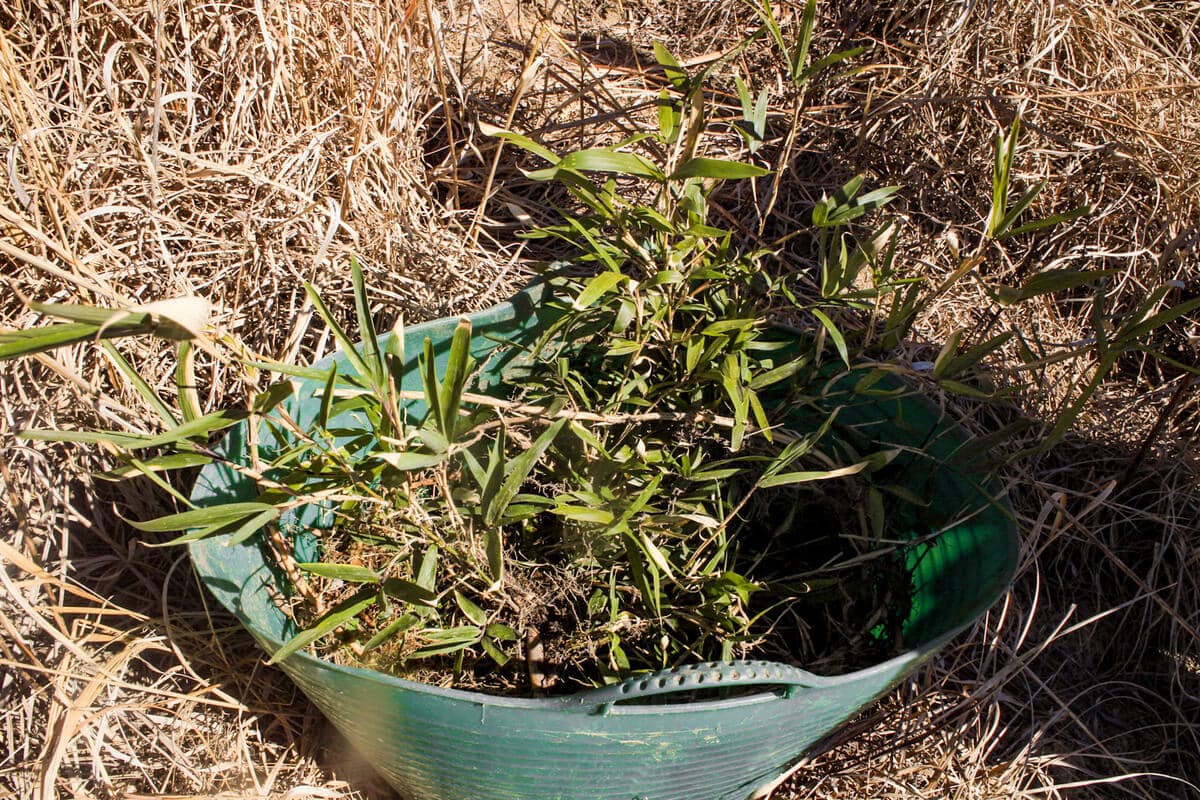
Mountain Canebrakes — the dense, riverside thickets of native Arundinaria that once lined the waterways of Appalachia — have been nearly erased from our region. Conserving Carolina’s Natural Resources Manager Torry Nergart puts it plainly: “It’s estimated that only about 2-3% of canebrakes remain on the landscape today.” The losses weren’t accidental. Floodplains were drained, ditched, and diked. Livestock replaced native grazers. And canebrakes, which had been carefully tended for generations by Indigenous peoples as an essential building and craft material, were deliberately cleared away along with the communities that depended on them.
What volunteers helped plant at Pleasant Grove is more than a native grass species. It’s the beginning of an attempt to bring back a whole natural community — one that, when healthy, holds riverbanks together with dense root mats, shelters small game and songbirds, shades streams, and once again offers its gifts to human hands.
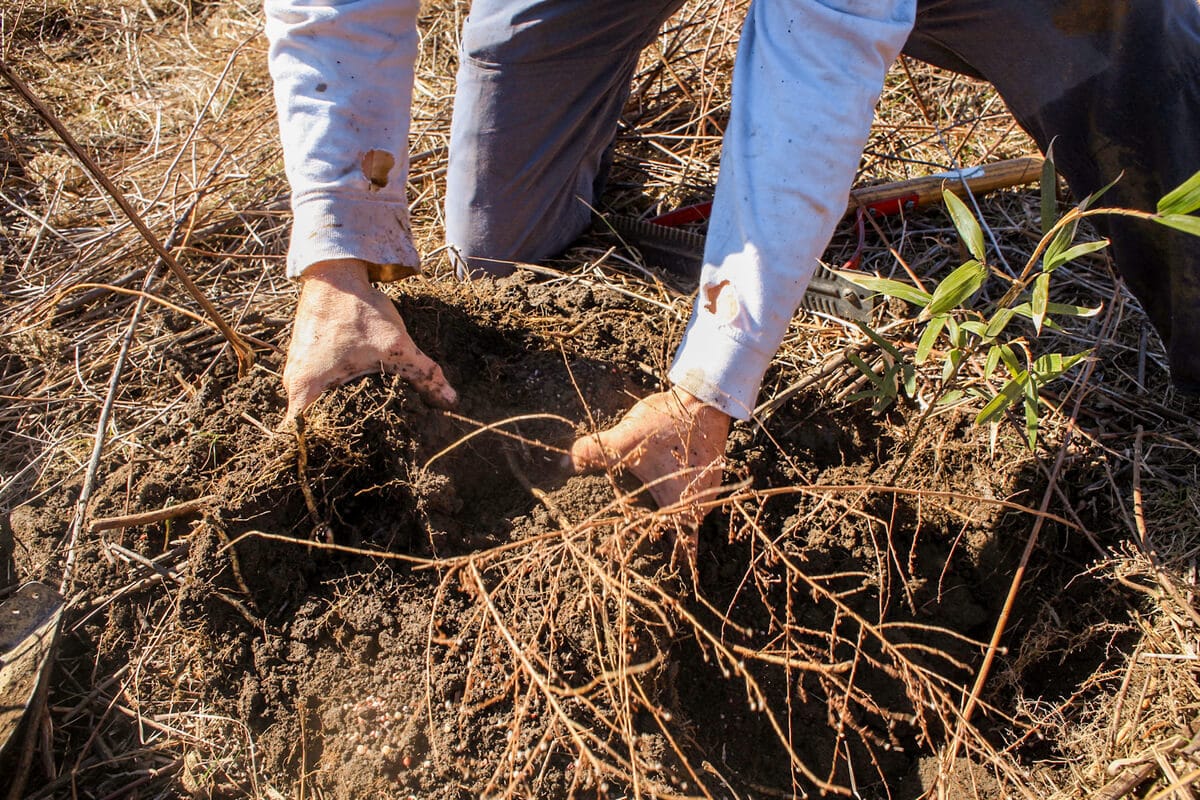
“We intend to care for these plants at this place until they grow from individuals into a group,” Torry says, “and that group can thrive until it is a natural community.” That’s the long view of restoration — not a single workday, but a relationship with a place over years and decades. At that future stage, the river cane won’t just be surviving; it may be spreading to other areas along the ever-changing river. 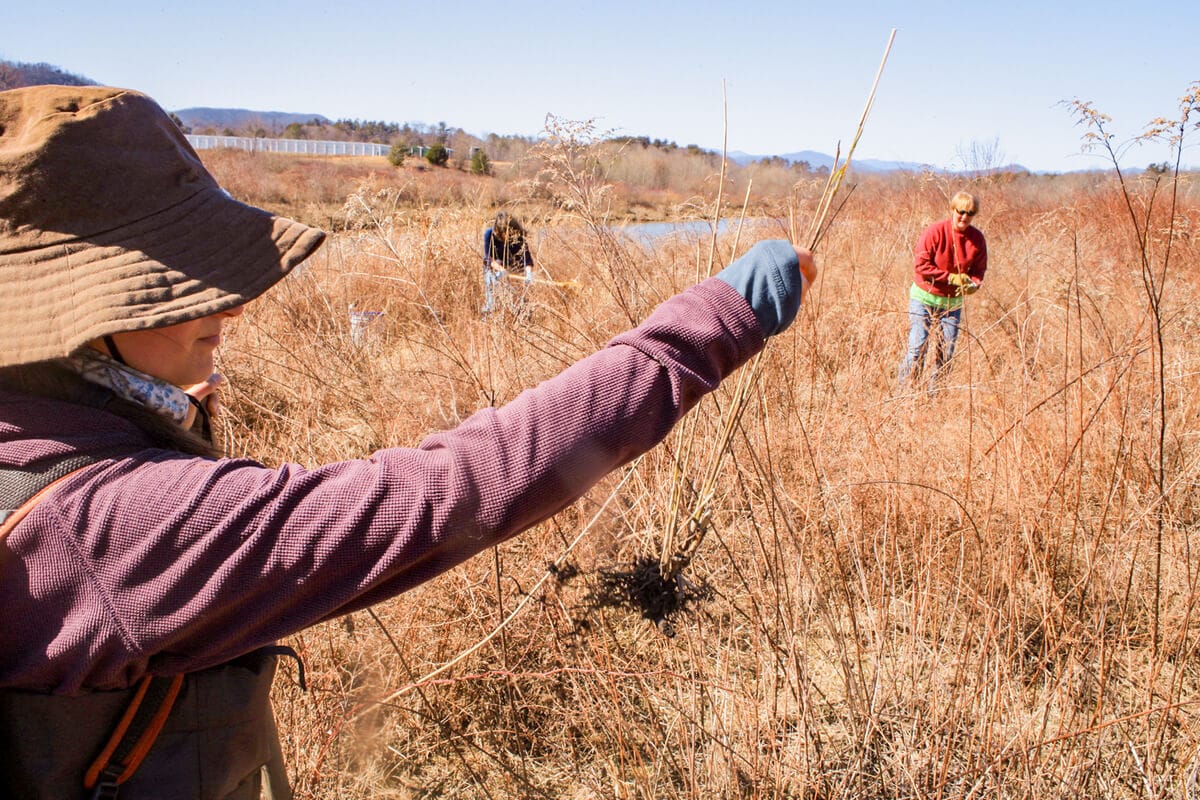
For now, it starts with a group of volunteers, a muddy wade through human and beaver-engineered waters, and a few handfuls of cane stalks finding their roots in the floodplain soil. It’s slow work, and patient work — and work that takes the long view.
Related: A New Day for River Cane