The Little Brown Jugs of the North Pacolet: A Hexastylis BioBlitz
Deep in the leaf litter of Appalachian forests, a quiet wildflower has been going about its business for several millennia, with its lineage preserved in fossil records dating back to the time of Pangea. Largely unnoticed, rarely celebrated, and increasingly rare. It’s called Hexastylis, and this spring, we went looking for it.
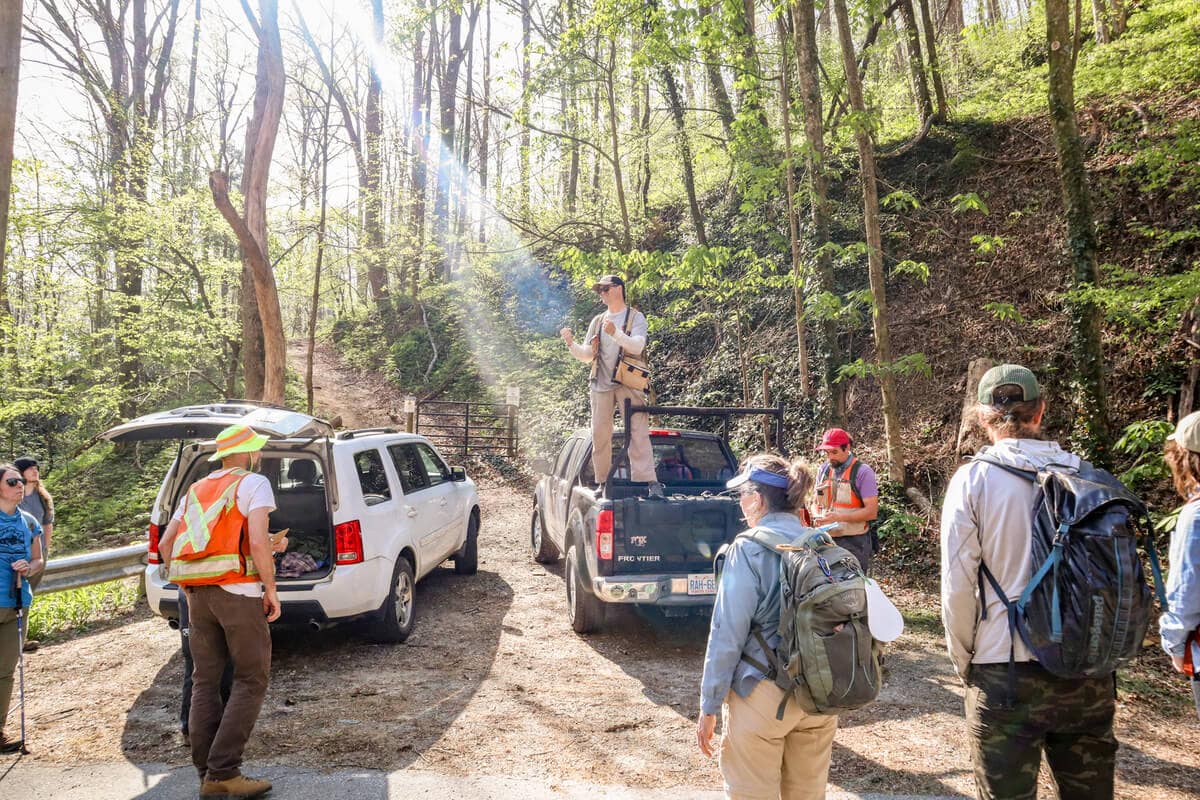
That was the spirit behind our recent Hexastylis BioBlitz: a month-long citizen science effort to document Section Hexastylis and Genus Asarum, two closely related groups of wildflowers, across Henderson and Polk Counties. On March 27th, Conserving Carolina’s Natural Resources Manager Torry Nergart led a formal kick-off event into the North Pacolet River Gorge, guiding a group of participants through glades, rock outcrops, and rich cove forests in search of these quietly remarkable plants.
Meet the Little Brown Jugs
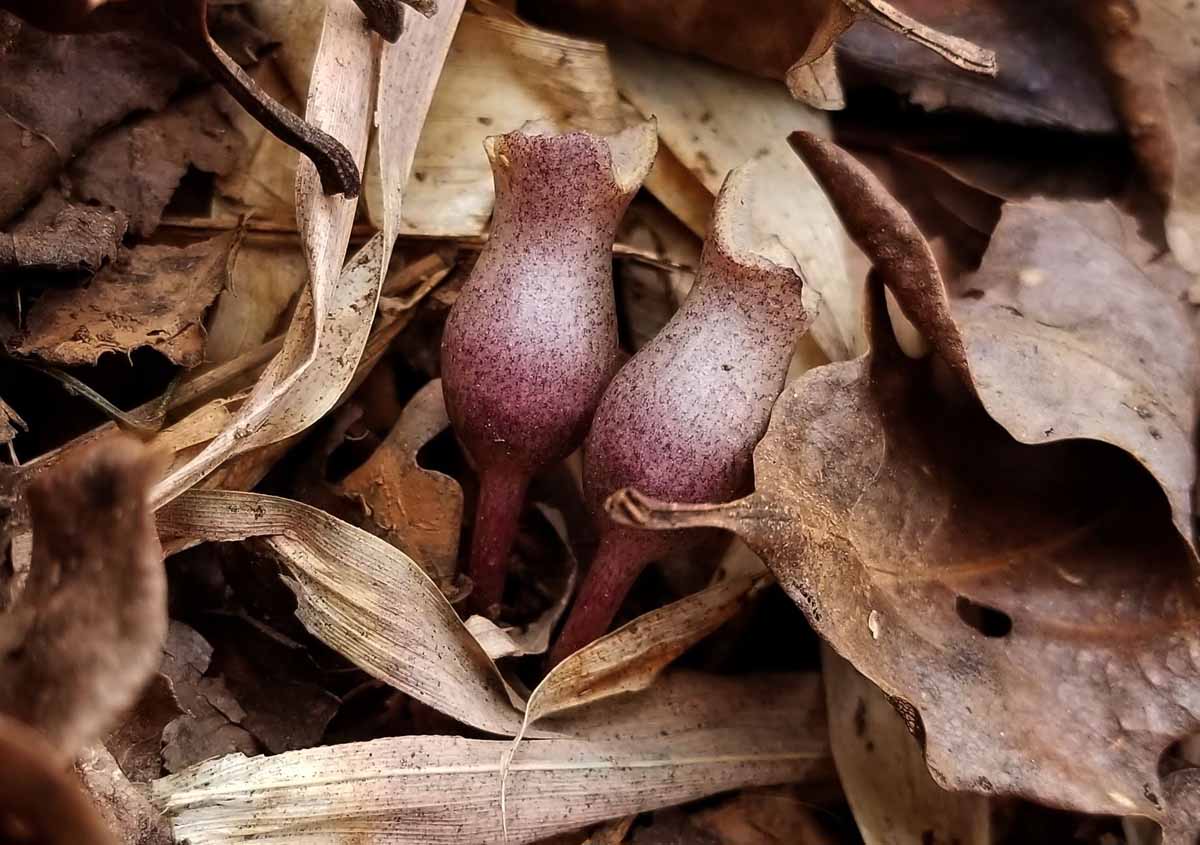
Hexastylis, colloquially known as “Little Brown Jugs” for their distinctive jug-shaped flowers, are a genus of low-growing, evergreen wildflowers native to the forests of the eastern United States. They belong to the Aristolochiaceae family, making them relatives of the wild ginger (Asarum), and like their cousins, they tend to grow close to the ground, tucked beneath leaf litter in the kinds of rich, undisturbed forest habitats that are increasingly rare across the landscape.
What makes Hexastylis particularly interesting to botanists and conservationists is their narrow native range and their sensitivity to habitat disturbance. Several species in the genus are found only in specific pockets of the Appalachian region, making observations like this BioBlitz genuinely valuable for understanding where these plants still thrive, and where they may need protection.
Their Place in the Web
For a plant with origins in the age of Pangea, Hexastylis has cultivated some remarkably specific relationships with the creatures around it. Hexastylis flowers are pollinated by crawling insects — primarily beetles and ants — and those same insects also disperse the seeds, often through a process known as myrmecochory.
The evergreen Hexastylis gingers spread very slowly, which means a healthy colony is a sign of long-term, undisturbed habitat, and a vulnerable one when that habitat is lost. This is a plant that cannot simply pick up and move.
What We Found
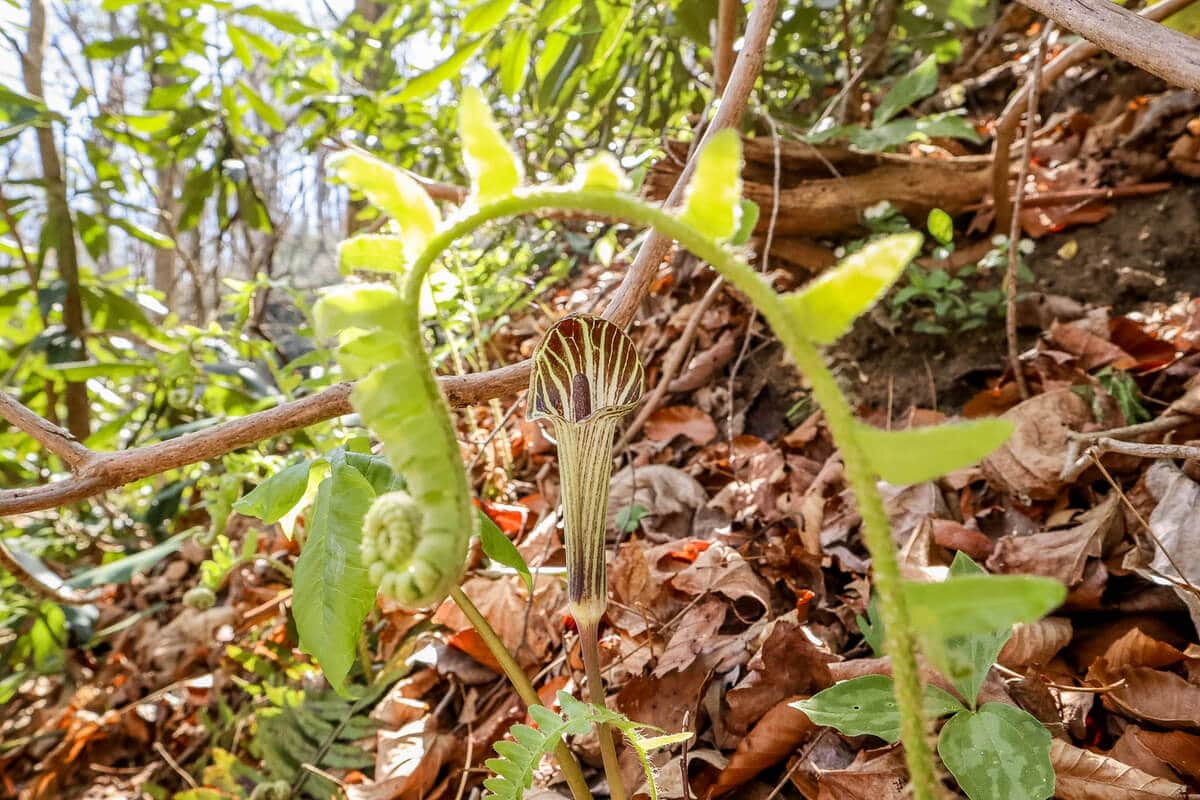
The target plants proved elusive on March 27th — the Little Brown Jugs stayed hidden — but the gorge had plenty to offer in their place. Participants encountered a wild ginger cousin, along with a stunning array of spring ephemerals: trout lily, trillium, Jack-in-the-Pulpit, and Dutchman’s breeches all made appearances along the route. It was a reminder that the North Pacolet River Gorge is exactly the kind of rich, biodiverse habitat worth knowing — and worth protecting.
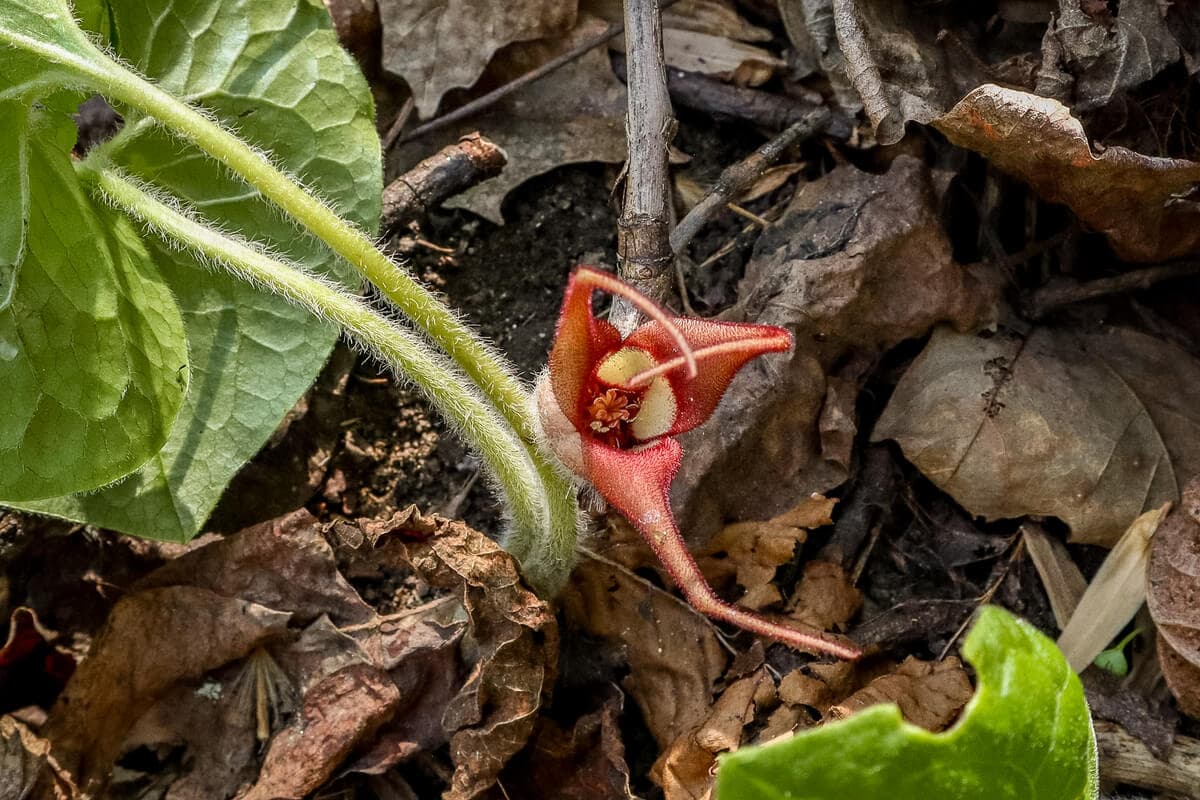
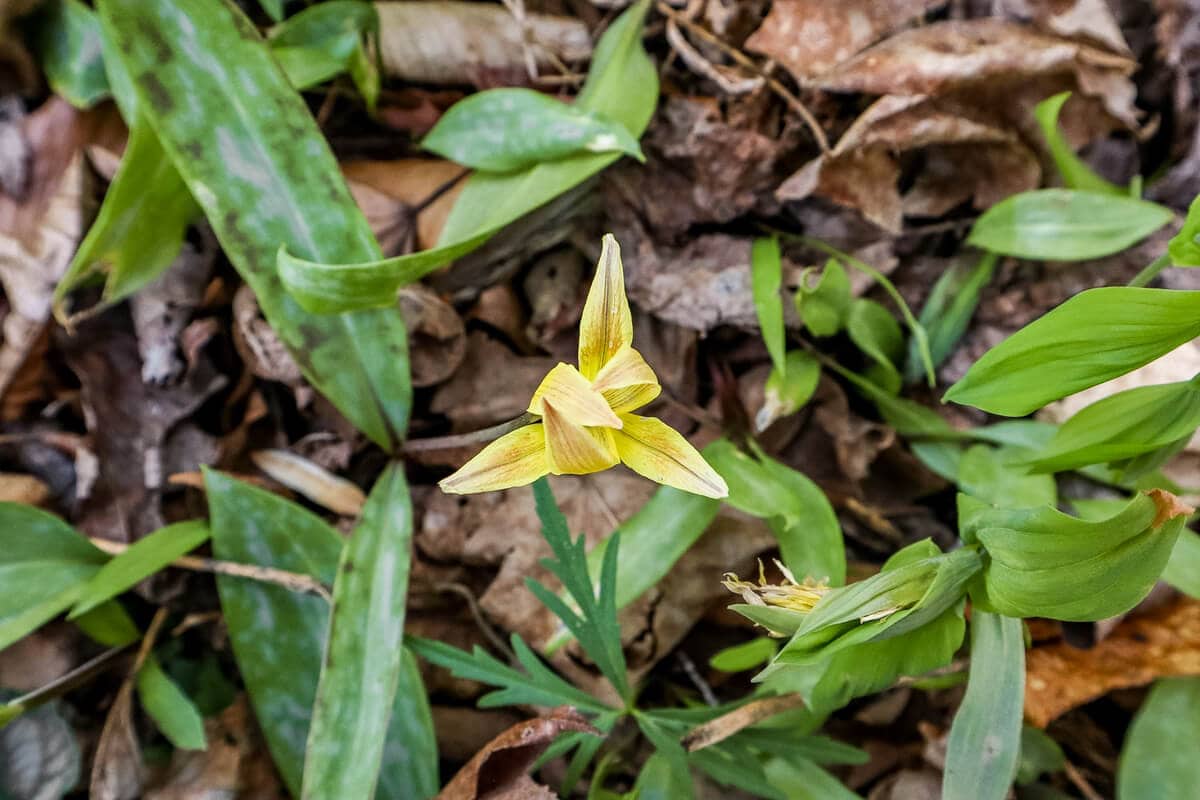
All observations from the formal event were logged to iNaturalist, contributing to a growing dataset on the range and distribution of Hexastylis species in our region.
The Search Continues
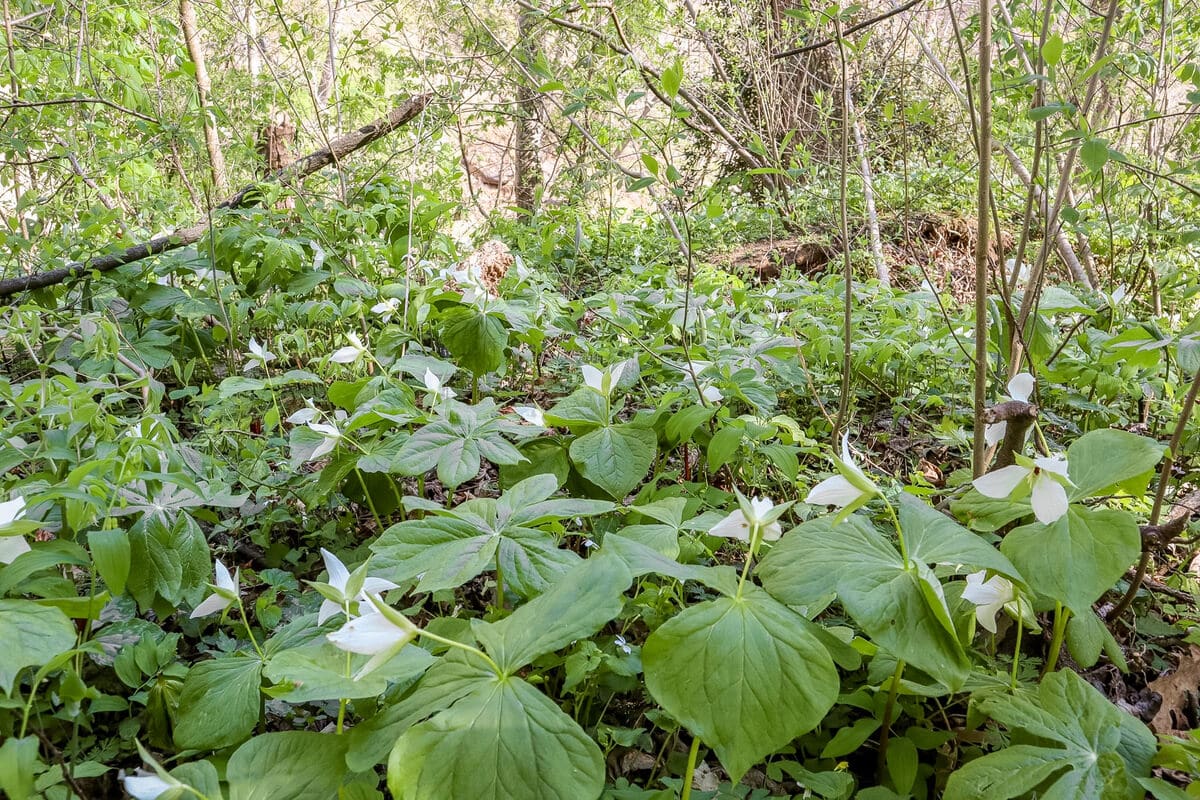
The BioBlitz runs through April 10, and anyone can be part of it. If you spot Section Hexastylis or Genus Asarum anywhere in Henderson or Polk County, log your observation on iNaturalist and add it to the Hex Flex ’26 project. Every sighting — whether it’s the target species or a neighboring wildflower — adds to our collective understanding of the spring landscape.
The Little Brown Jugs are out there. Keep your eyes low.