Respecting the history of the land and people where we live and work.
Celebrating diversity of knowledge and cultures within our community.
Moving forward together.
Since 2023, Conserving Carolina has partnered with the Eastern Band of Cherokee to strengthen relationships within the tribal community and to deepen the integration of Indigenous knowledge and perspectives in our conservation and land stewardship efforts.
Sustainable Harvest
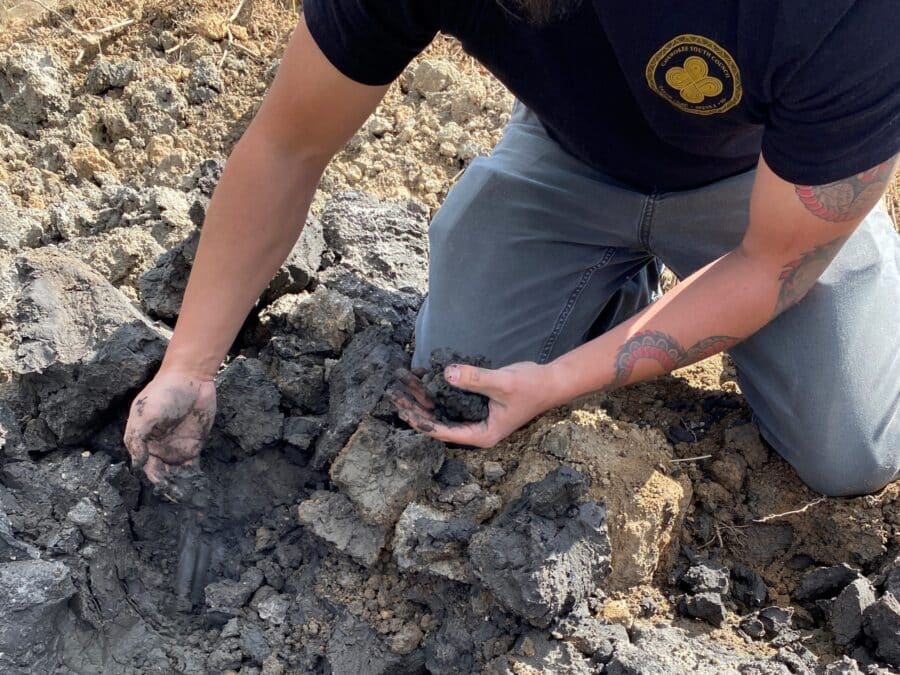
In partnership with the Cherokee Preservation Foundation and Qualla Arts and Crafts Co-op, our harvest project increases tribal access to culturally significant plants on ancestral homelands through access to Conserving Carolina’s preserves and relationship building with landowners in the region. Harvesting access supports the preservation of traditional knowledge such as artisanal and medicinal practices.
You can learn more here:
- A New Day for Rivercane: Rivercane Restoration at Mud Creek
- Art from the Earth: Native Materials Provide Traditional Materials for Cherokee Artists
We are seeking landowner partners who may have plant communities on their properties that could provide valuable artisan resources. Please reach out if you are interested in participating in pilot programs that create plans allowing tribal members access to your properties for sustainable harvest. The first step will be to assess plant communities on your properties for harvest viability. Some plants of interest include white oak, hickory, rivercane, yellowroot, bloodroot, red maple, buckeye, and black walnut. If you are a landowner interested in participating, please contact our Natural Resources Director, David Lee at david@conservingcarolina.org.
Invitation to Artisans
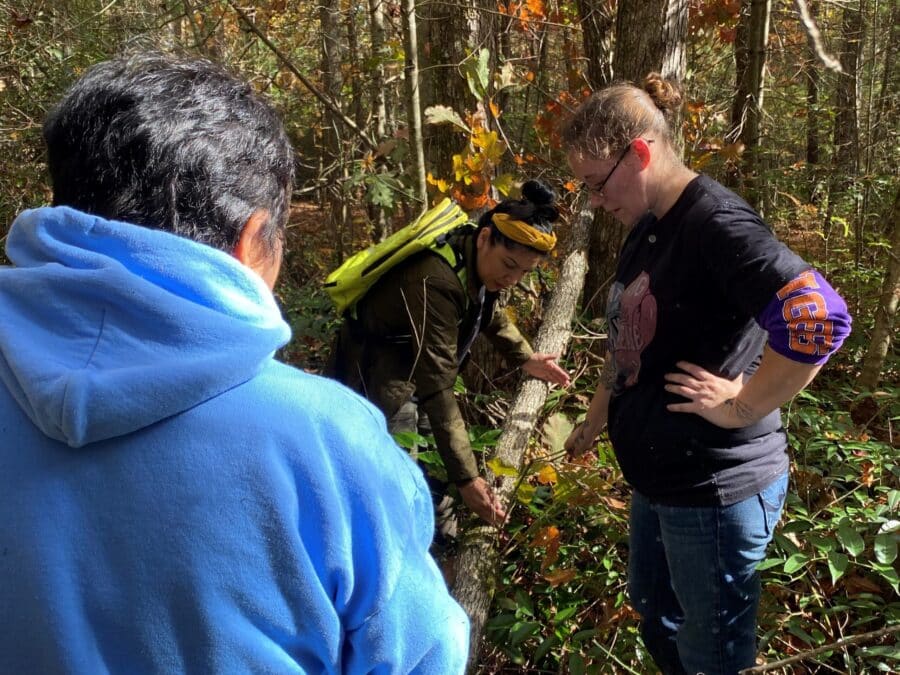
We invite Indigenous community members to connect regarding interest in specific species or materials. We can offer support in identifying harvesting sites and including interested individuals in upcoming harvests. Stories and knowledge related to traditional plant use, harvesting practices, and stewardship are also warmly welcomed. For information, please contact our Natural Resources Director, David Lee at david@conservingcarolina.org.
Tohi Land Tribute Program
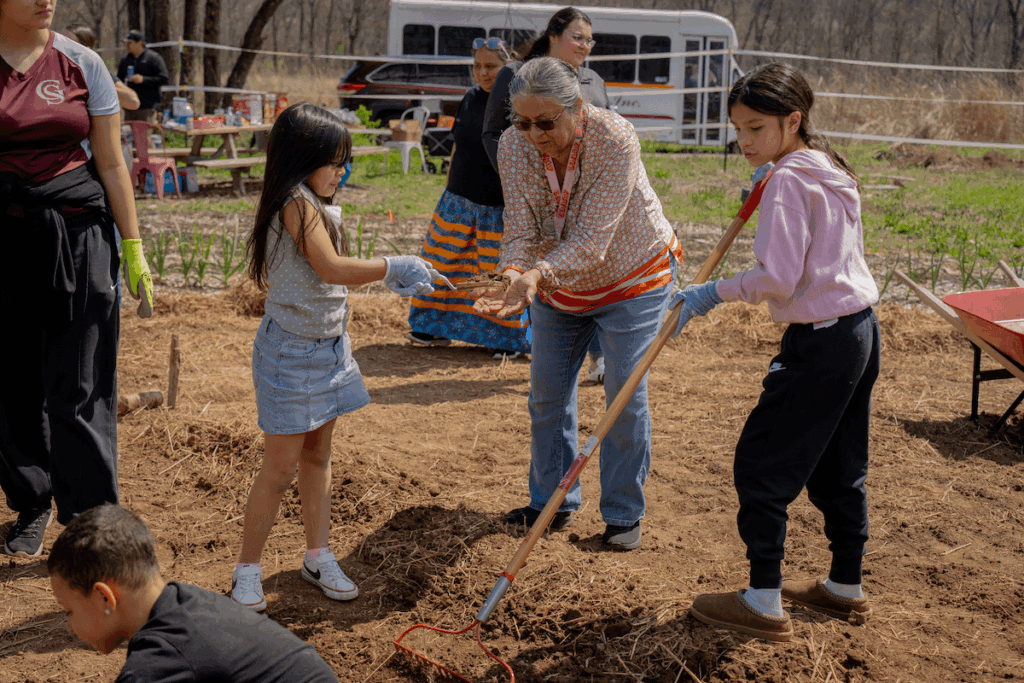
Conserving Carolina is inviting its members and community to participate in the Tohi Land Tribute program in partnership with The Center for Native Health, a non-profit based in Cherokee, NC. The center offers programs that support holistic good health, or Tohi. These programs span:
- Climate, land and wellness
- Relational health
- Education and training
- Art, language, and healing
One hundred percent of all land tribute contributions will support this mission.
A land tribute is a voluntary way to support the sovereignty of Indigenous peoples and their rights to the land. It functions similarly to paying rent or the mortgage on your home. Rent or mortgage payments allow us a place to live; land tributes acknowledge that we are living and working on stolen land. Individuals living on or otherwise using Native land can opt-in to giving a self-defined dollar amount –– either one time or monthly.
Hands on Volunteering
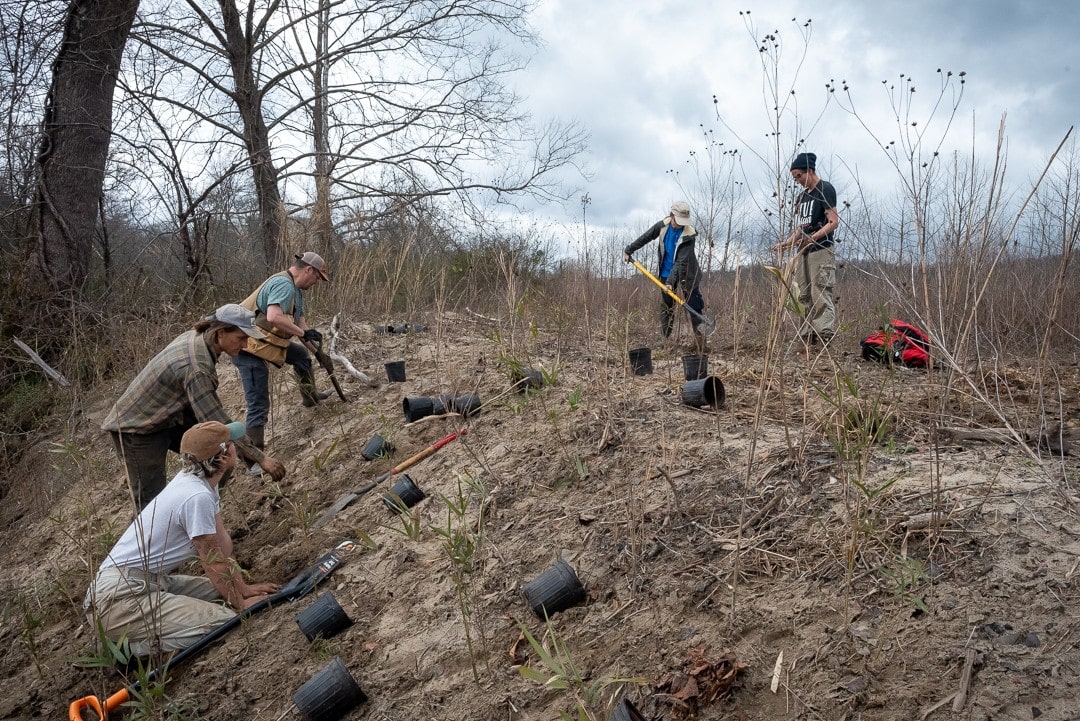
Conserving Carolina has partnered with the Cherokee Preservation Foundation to not only increase access to artisan materials, but to support increased availability through site specific plantings and management. We manage many of our nature preserves to provide traditional artisan resources and we need volunteers to help us manage these lands. See our calendar for Nature Preserve Stewards volunteer workdays on Wednesdays, as well as other volunteer opportunities related to our preserves or Indigenous partnerships.
Learn More About Native History in Our Region
Conserving Carolina’s service area includes Henderson, Polk, Transylvania, and Rutherford Counties in North Carolina and the Landrum area in South Carolina, as well as surrounding areas.
Indigenous peoples have lived in this region since time immemorial, holding deep historical connections to the Cherokee, Catawba, and Yuchi peoples. Archeological records show that the Cherokee have continuously lived here for at least 15,000 years, but Cherokee oral histories trace their very origins as a people to this land. Since European contact beginning in 1540, the Cherokee have faced sweeping land dispossession, disease, famine, cultural suppression, and genocide.
But they are still here.
For a more in depth look at indigenous history and relationship to this land, we encourage you to seek out Indigenous sources. To learn more about Native history in our service area: