What Can the Ecusta Trail Teach Us About the Saluda Grade?
Article and photos by Chelsea Gillespie.
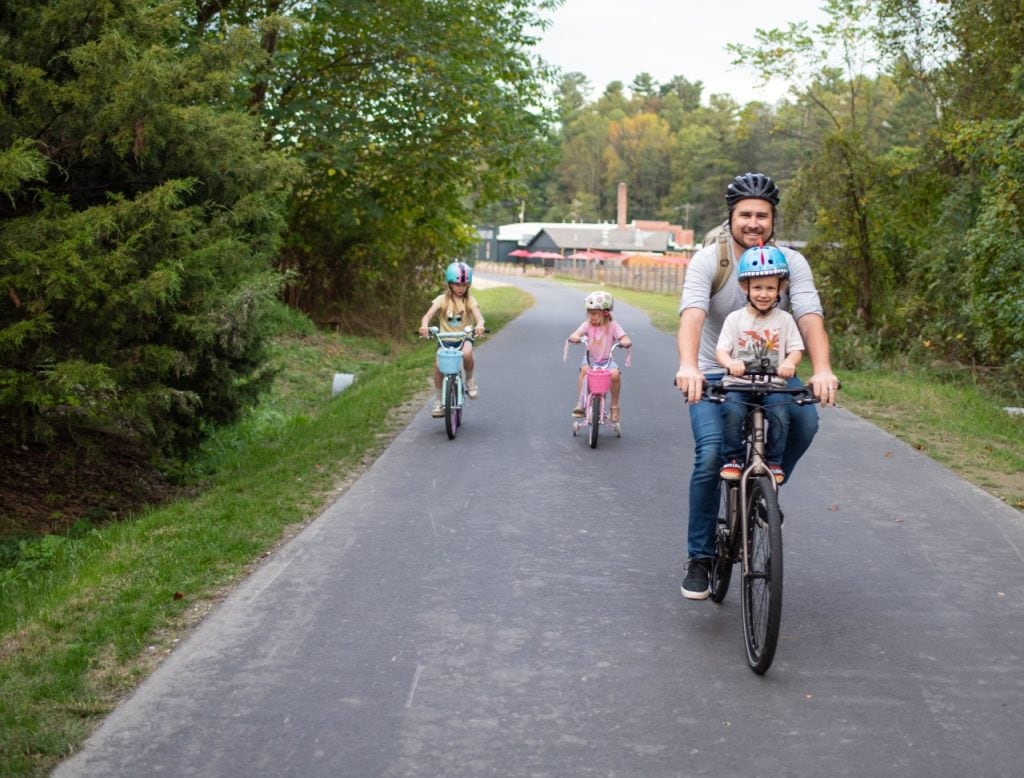
Now that the Ecusta Trail has opened its first stretch, from Hendersonville to Horse Shoe, local leaders are reflecting on what this nearby rail trail can show us about the planned Saluda Grade Trail. The 31-mile Saluda Grade Trail will eventually travel through Inman, Campobello, Landrum, Tryon, Saluda, and Zirconia, with potential to link to the Ecusta Trail in Hendersonville.
Growing Businesses Along the Ecusta Trail
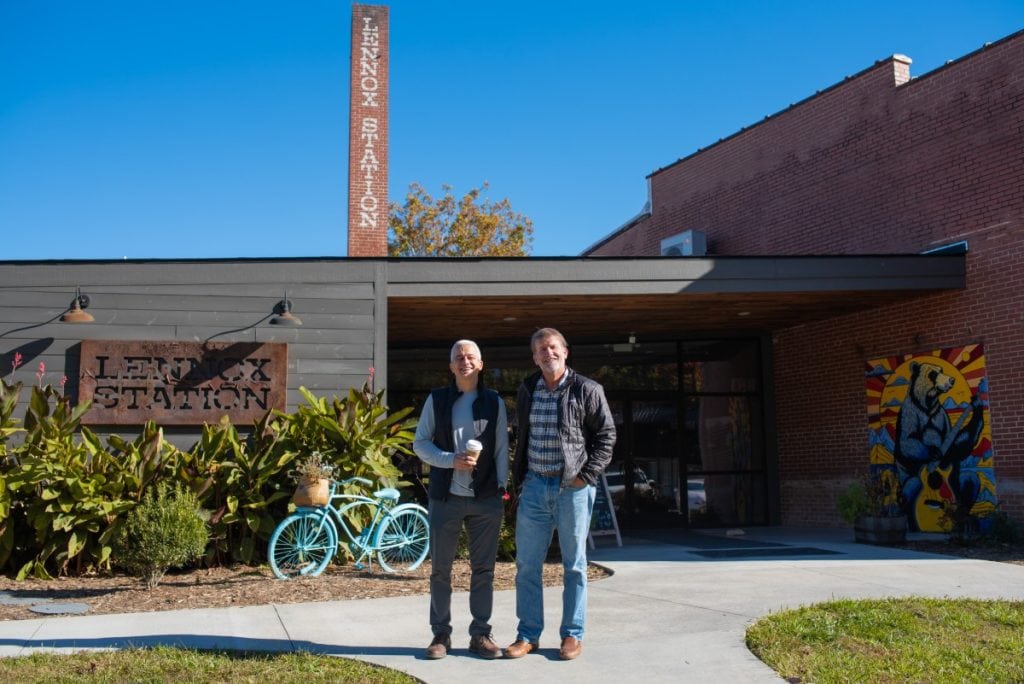
The Ecusta Trail has become a model for how a rail-to-trail project can energize a local economy. Once an overlooked industrial site, Lennox Station in Hendersonville has been reborn as a lively destination with a vintage-style café and market, a brewery, restaurant, and bike rental shop. Clement Riddle partnered with his wife Dr. Charlotte Riddle, as well as Dale Salvaggio-Bradshaw, Steve Bradshaw, and Alisa and Bart Salvaggio to develop the property. He says the change has been transformative.
“When they build it, people will come. Be ready. It’s bringing new people, who are first-time visitors to Hendersonville,” Riddle says. “The Ecusta Trail shows how a rail-to-trail project can transform communities. We’ve seen similar trails like the Swamp Rabbit and Virginia Creeper bring vitality to small towns. The Saluda Grade connector can do the same if the communities work together.”
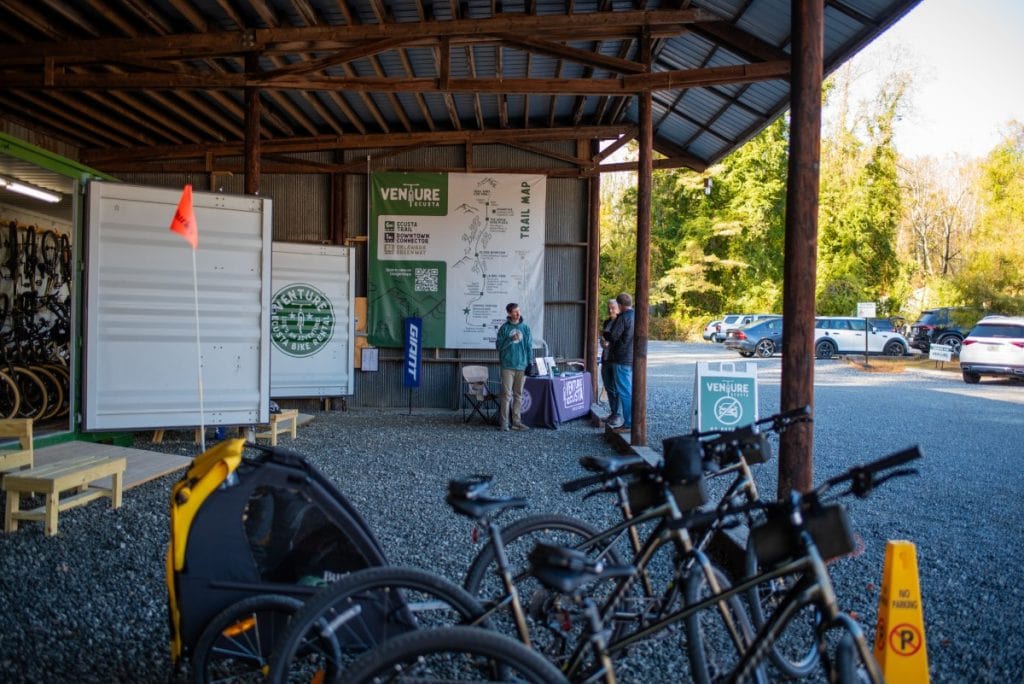
Since the trail opened, Venture Ecusta, located at Lennox Station, has rented bikes to visitors from more than 20 states and 25 countries. On weekends, the 150-space parking lot is full from morning until dusk. “It’s like a natural community built into the trail. You see all ages, all backgrounds. People are happy to be here,” Riddle adds. He believes that the more towns collaborate along the cycling trail, the more everyone benefits.
Tryon: Getting Ready to Welcome the Trail
In Tryon, Lourdes Gutierrez, Executive Director of the Tryon Downtown Development Association, says the Saluda Grade project has already sparked new energy.
“The biggest thing will be the boost in people coming to our downtown,” Gutierrez explains. “You’ll have grandparents, grandkids, families, adventure cyclists—it’s going to bring people who’ve never necessarily come through, or even heard of Tryon before.”
Tryon is preparing for the visitor influx with a wave of placemaking and infrastructure projects. The town recently completed a public parking study to plan for a future facility and has identified the need for new public restrooms and trailhead amenities. Just steps from the proposed trail, Tryon is developing a greenspace that will stretch through half of downtown, creating a natural link between Main Street and the Saluda Grade Trail. Officials are also planning an interactive digital tourism kiosk to help visitors discover local businesses and events.
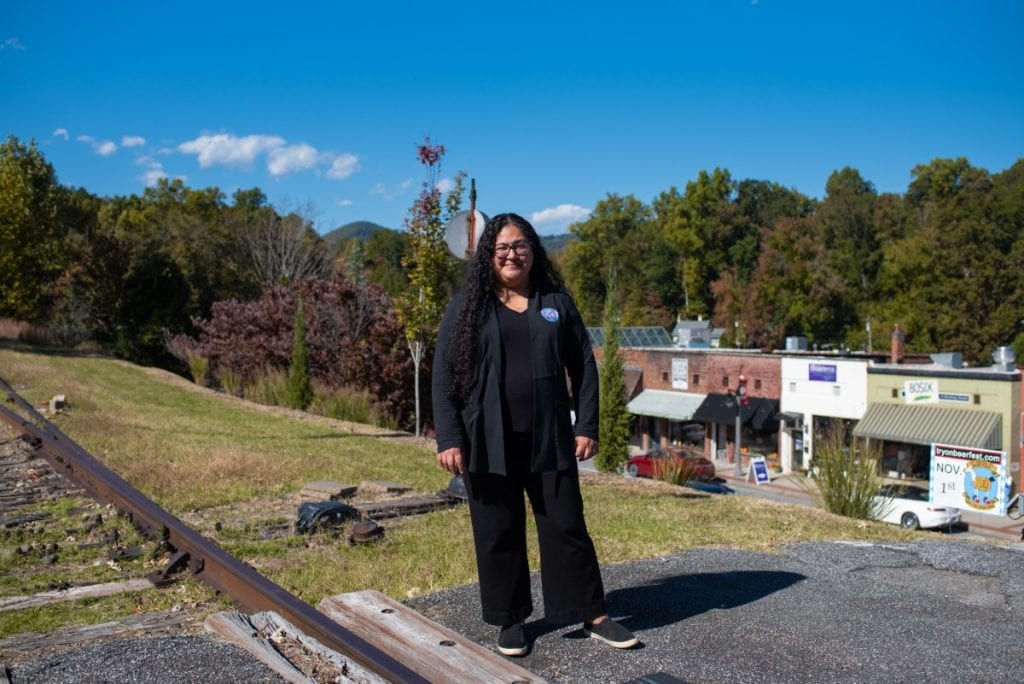
“The trail opens up visibility and new business opportunities across our towns,” says Gutierrez. “It will strengthen existing businesses, inspire building renovations, and attract new ventures like shuttles, bike rentals, and cafés. This project will create opportunities for people here in Polk County and introduce our communities to an entirely new audience.”
While excitement runs high, Gutierrez acknowledges that not everyone is immediately on board. “We’d be lying if we said everyone was excited about it. Some people have valid concerns about privacy and change. But as we’ve seen with the Ecusta Trail, the more people learn about what benefits these projects actually bring, the more support grows.”
Support, she adds, extends well beyond Tryon. “Saluda, Landrum, Inman—we’re all talking. When the branding and signage roll out, we want it to feel connected. Whether you’re in Tryon or Landrum, you’ll know it’s your trail. The more we work together and the more attention the trail gets, the more it benefits everyone.”
Saluda: Balancing Growth and Character
A few miles up the grade, Paul Marion, City Commissioner of Saluda, sees the project as a balance between growth and preservation.
“We want to move in a direction that helps Saluda thrive but also keeps it special,” Marion says. “The trail is a way to do that. It introduces people to our town in a natural, meaningful way.”
Marion says the trail can help sustain Saluda’s tourism economy—restaurants, arts, and outdoor adventures—throughout the year, not just during peak summer months. The town is already working on upgrades at McCreery Park, including parking and direct trail access.
“We’ve learned a lot from the Ecusta Trail. Conserving Carolina is doing a great job meeting people where they’re at—property owners, county leaders, and local municipalities. Communication has improved as we move along in this process,” Marion says. While some in the county remain cautious, he believes the long-term vision will gain support.
“This isn’t just about bringing tourists,” he adds. “It’s about giving locals more to do, encouraging community health, getting outside, and making our towns more connected in a tangible way.”
Conserving Carolina on Lessons Learned
Communication is central to Conserving Carolina’s work, the nonprofit leading the Saluda Grade Trail effort. Kristin Cozza, Trails and Greenways Manager, emphasizes that engaging communities early and often is key.
“One important lesson we’ve learned from other rail-to-trail projects is that you can never have too much communication,” Cozza says. “That means listening to the community and sharing information with stakeholders.”
The organization has already launched extensive outreach, including a public drop-in meeting at the Landrum Farmers Market, roundtables, interviews with officials, and a community survey to gather input. Cozza also notes the importance of long-term governance.
“The 31-mile trail crosses two states, four counties, and five municipalities. Every one of them wants a say in how it’s managed. We’re fortunate to have received an Appalachian Regional Commission ARISE grant to help plan for both community engagement and governance.”
Location decisions, Cozza adds, can shape the success of the entire project. “For Ecusta, both Brevard and Henderson County extended the trail to bring users into downtown, and that was a smart decision. We’re planning to do the same with Saluda Grade, ensuring users can access Polk County shops, restaurants, and historic centers.”
Funding remains a challenge. She says, “The Ecusta Trail benefited from federal transportation grants that may not be available this time. Saluda Grade will likely be built in shorter sections as funds become available.”
A Shared Vision for Western North Carolina
Despite logistical hurdles, all of the communities involved are creating a shared vision: a connected corridor that draws visitors, supports local businesses, and strengthens regional collaboration.
“The better we do, the better everyone downtown does,” Riddle says. Gutierrez adds, “It opens up visibility and potential for new businesses that’s just incredible.” Marion sees the trail as a way to reintroduce people to Saluda and create a sustainable tourism economy.
“You see families, retirees, serious cyclists—people of all ages and backgrounds—and that inclusivity is part of what makes the trail so special,” Gutierrez adds.
Ultimately, the Saluda Grade Trail aims to link towns, boost economies, and tell a shared story of Western North Carolina—one of collaboration, resilience, and forward motion.
“The long-term goal is to link the Saluda Grade Trail with the Ecusta Trail that will run from Hendersonville to Brevard and the Dan Trail system in Spartanburg, building a network that connects communities across the mountains,” Cozza says.
And when that happens, whether in Landrum, Campobello, Tyron, or Saluda, people won’t just be traveling through—they’ll be discovering the heart of the Carolina foothills, one mile at a time.