Winter Bird Feeding: Ten Mistakes to Avoid
By Naturalist and Photographer, Sharon Mammoser
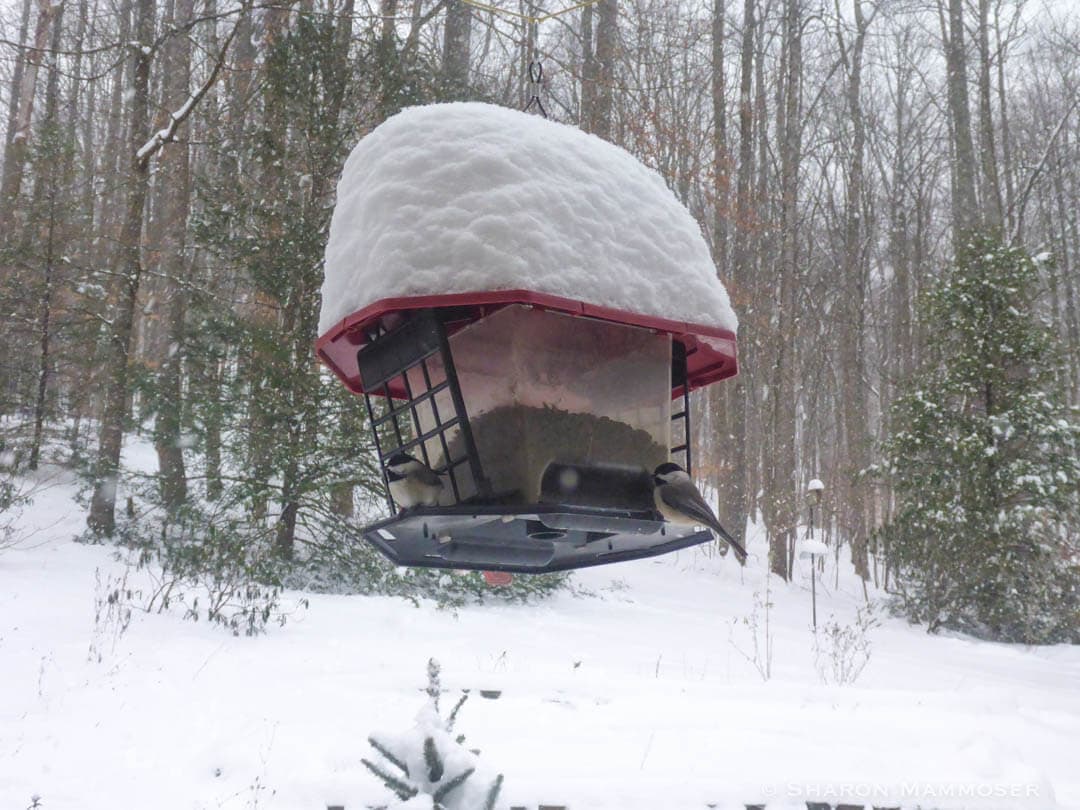
Winter is a great time to welcome our winter resident birds like chickadees and cardinals to your yards and experience the joy of bird feeding! Cornell Lab of Ornithology says, “Around 96 million people in the U.S. closely observed, fed, or photographed birds; visited public parks to view birds; or maintained plantings and natural areas around the home for the benefit of birds in 2022.” Are you among this 96 million? Do you enjoy watching birds, and attracting them to your yards so you can see them up close? If so, then this post is for you.
Let’s talk about ten bird feeding mistakes to avoid.
1. Offering Low Quality Seed
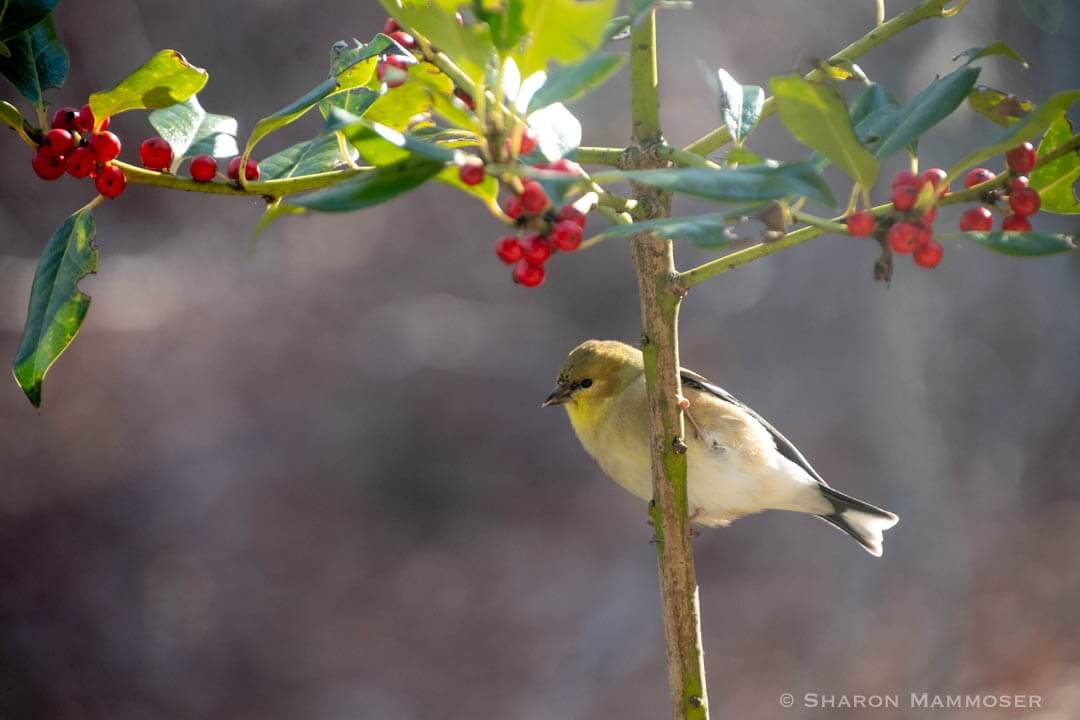
It’s easy to want to grab the cheapest and first bag of birdseed you see, maybe in the grocery store, or at a discount store that’s convenient, but a word to the wise– don’t do it! The first step to having a successful bird feeding station in your yard is offering high quality seed. Many of the cheap mixes are filled with non-nutritious seeds like milo, red millet or cracked corn. Birds dig through the seeds to get the ones they prefer, throwing the others out and onto the ground–a total waste of their time and energy, and your money.
Your best bet is to offer high-quality seeds– at my house I offer black oil sunflower seeds because these attract the highest variety of birds. Another good choice is striped sunflower seeds, which also attract a wide variety of birds, are easy to open and also have a high fat content. Shelled sunflower seeds are another good option, but these are expensive. A small black seed called nyjer will attract goldfinches and other finches, pine siskins and during the summer, indigo buntings. Putting out peanuts will attract crows, blue jays, chickadees, titmice and many different woodpeckers.
If you want to attract the most birds, pick one kind of seed per feeder. If you want more kinds of seeds, offer more feeders! Offering a variety of seeds and different types of feeders is a great way to attract more birds.
2. Skipping Regular Maintenance
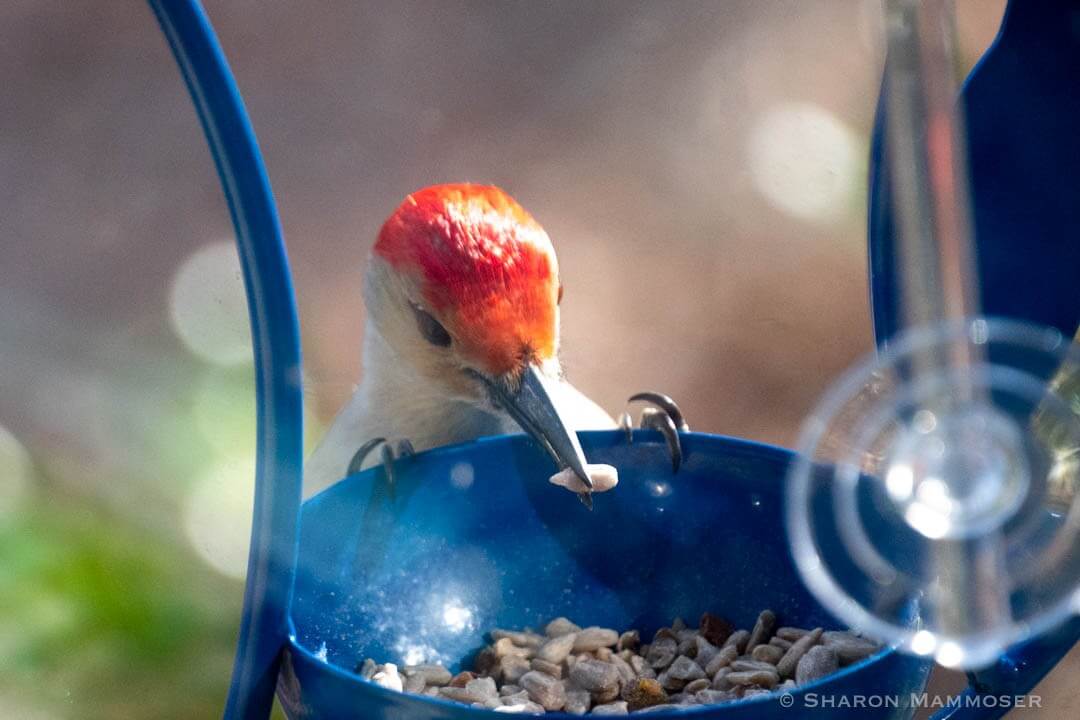
In the same way we wouldn’t feed our kids moldy bread or nuts covered in mildew, we must take steps to keep our feeders clean so our birds stay healthy. Cleaning feeders is an easy step to overlook. Cornell Lab of Ornithology says that “Research has found that scrubbing debris off feeders and then soaking them for 10 minutes in a diluted bleach solution is more effective at removing bacteria than using soap and water alone.” Add one part bleach to 9 parts water. Dry feeders thoroughly before re-filling. Aim to clean seed feeders once every two weeks. And don’t forget the area under the feeders– this waste builds up and can create a moldy zone. Rake, sweep, or shovel this gunk away regularly.
3. Poor Placement of Feeders
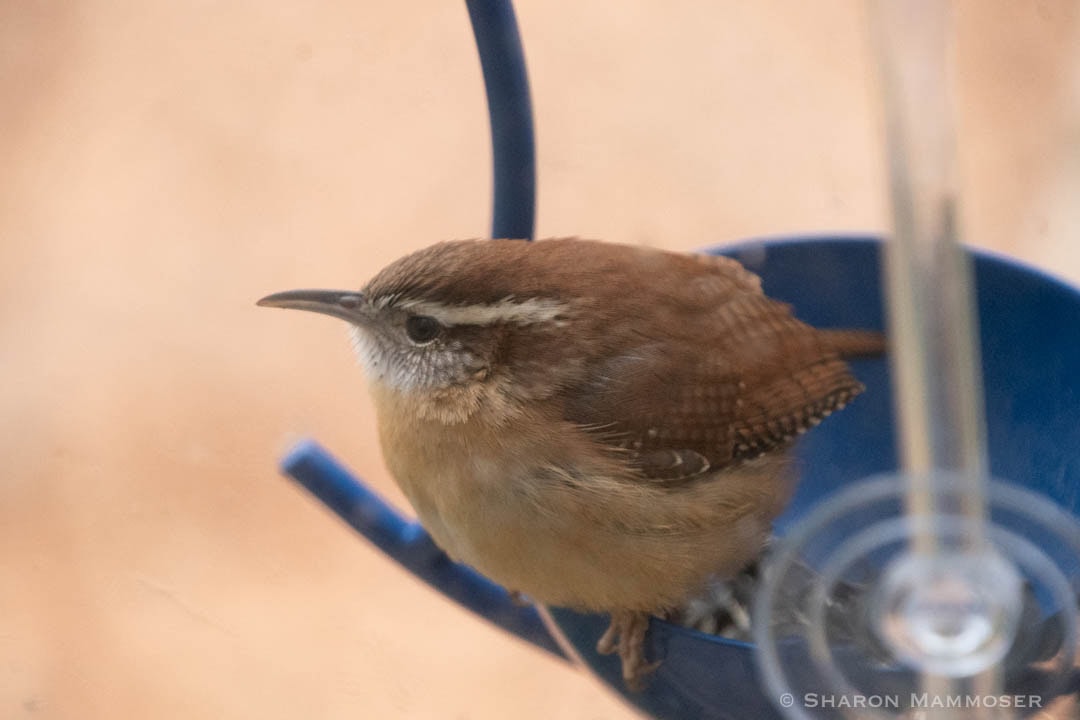
Have you seen yards where bird feeders are out in the middle of perfect green lawn, with not a tree or bush in sight? Proper placement of feeders is essential to success. Cornell advises to put feeders either 2-3 feet away from windows, or far away– 30 feet or more. This will minimize window collisions. At 2 feet from the windows, the birds won’t have enough momentum to have a fatal window crash, and at 30 feet or more, they will be no where near your windows. Avoid putting feeders in the “danger zone,” 3-30 feet from windows and most of the time those fatal collisions can be prevented. Putting feeders close to windows also means we get to see these birds up close, a treat people of all ages will enjoy.
Also important is having small trees or shrubs nearby so the birds can easily get to safety and escape hawks or other predators. And avoid putting feeders too low to the ground where cats or other predators can prey on unsuspecting birds.
4. Allowing Your Cat to Roam Free
Many people are unaware that free-roaming cats are voracious predators who will kill anything they can catch, including butterflies, moths, hummingbirds, songbirds, snakes, lizards, frogs, voles, and other small animals. Does it seem right to attract birds to your yard, only to have them wind up dead courtesy of your cat? Outdoor cats kill between 1.4 billion and 3.7 billion birds and between 6.9 billion and 20.7 billion small mammals each year in the United States alone. It’s really simple– if you want to feed the birds, don’t let your cats roam free OR, if you want your cats to roam free, don’t feed the birds!
5. Using Pesticides or Other Harmful Chemicals
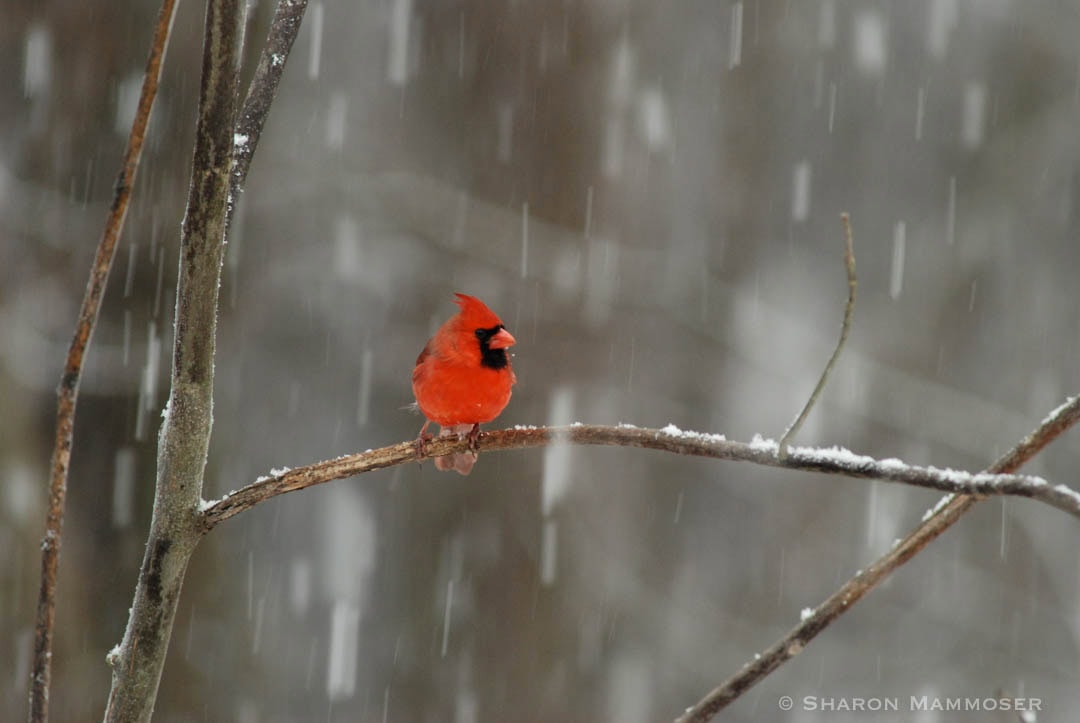
When we use harmful pesticides and other chemicals in our yards, insects suffer and when insects suffer, so do the birds that eat them. People mistakenly think that these chemicals successfully kill only the target things– mosquitoes, aphids, weeds, etc, but the reality is that many other critters are negatively affected. Avoid these chemicals as much as possible so your yard is a safe haven for birds, insects, and other animals.
6. Raking Your Leaves
Not raking your leaves is essential to having birds in your yard. Know why? Because 96% of our songbirds REQUIRE caterpillars and other insects when raising their babies. Even if they visit your seed feeders, when raising babies, they must have caterpillars. And many, many species of moths and butterflies require fallen leaves for part of their lifecycle, especially as a place to overwinter. When we rake up all the leaves and haul them away, or chop them into thousands of tiny pieces, we are ending the lifecycle of many small animals, from fireflies to caterpillars. If we want birds in our yards, we must learn to leave the leaves! If you can’t leave them where they fall, rake them up and put them around trees or in a “wild” space at the edges of your yard. Having fallen leaves increases the insect diversity and increasing the insect diversity means more birds. Plus, many birds, such as brown thrashers, eastern towhees, white-throated sparrows, and juncos hunt in the leaves for small insects.
7. Feeding Birds Human Food
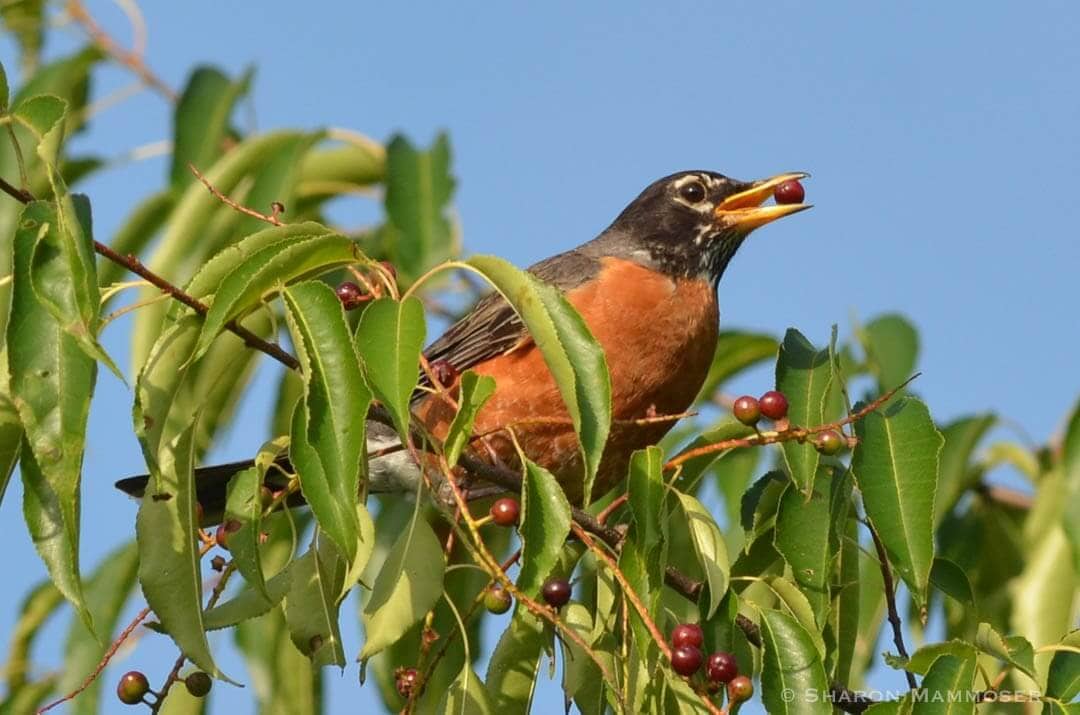
Ever have some leftover bread, crackers or other random foods and think, “Oh! I should feed that to the birds?” If so, you’re not alone, but next time this thought comes up, don’t do it. Know why? Because human foods can harm the birds. Bread is devoid in nutrition that the birds need and they waste precious time and energy on eating these empty calories. In addition, these foods can make birds sick since birds are not used to eating these things and may not have the gut bacteria necessary for digestion. Sure the birds will eat these foods we offer, but that’s because they don’t know better.
8. Not Offering Water
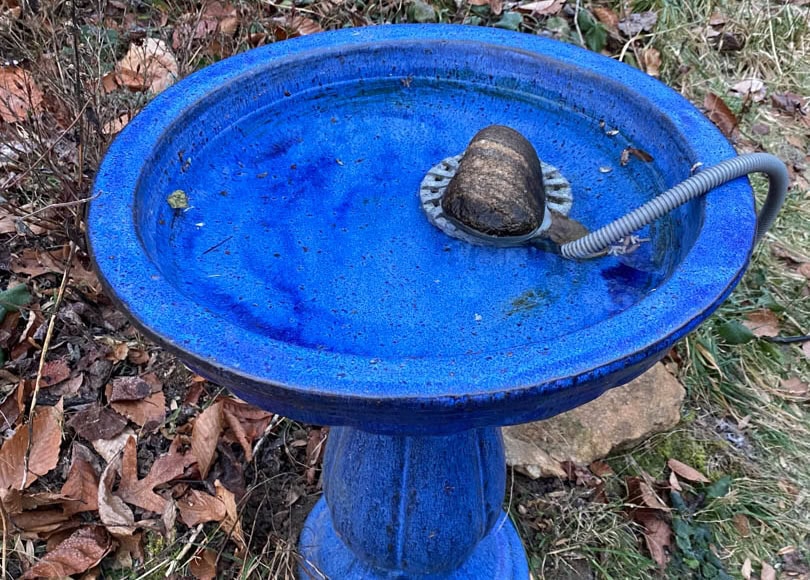
Like every animal on the planet, birds require water, even in the winter. If you have food but no water, the birds will have to go elsewhere for water and might not spend time in your yard. Offer water in a variety of ways– shallow bird baths, deeper baths, spray fountains, etc. In winter it’s possible to offer water even though it’s often below 32 degrees– just invest in a bird bath warmer. This is a device you can place in a deeper bird bath and it prevents the water from freezing. You can find them at specialty bird feeding stores like Wild Birds Unlimited or online–most cost less than $50.
9. Leaving Feeders Empty
If you let the feeders become empty and leave them that way regularly, the birds may stop coming to your yard. The best practice is to keep the feeders full so birds learn that your yard is a reliable food source.
10. Missing the Big Picture 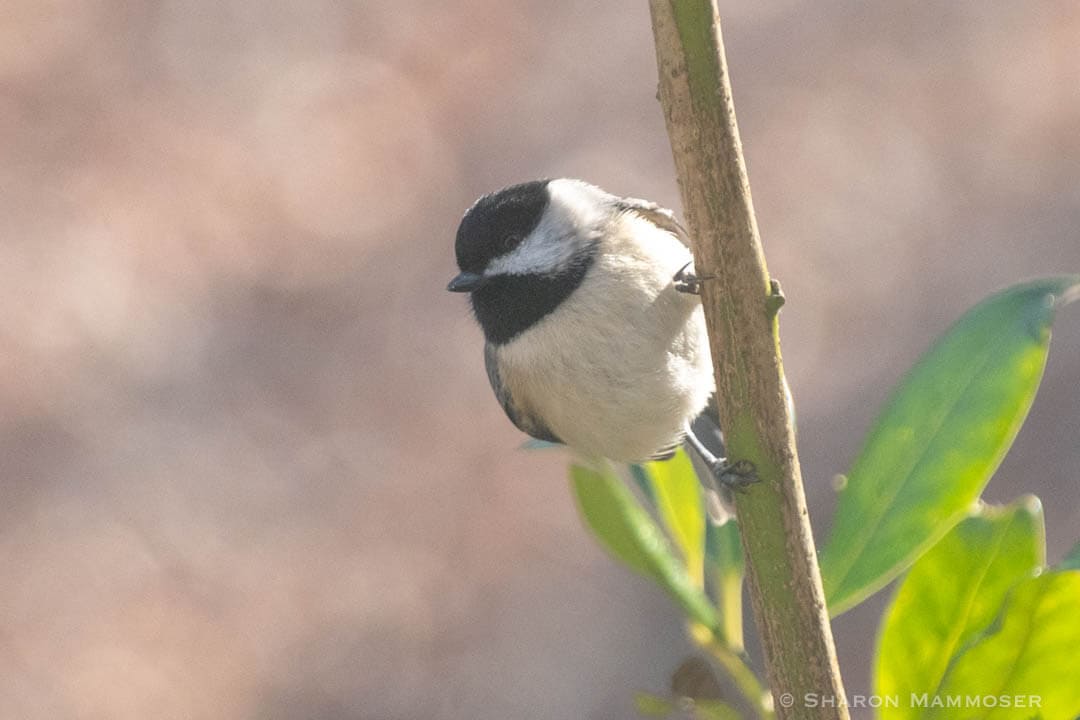
Keep in mind that birds are only one component of the food web and all animals, including birds, play a role in the ecosystem. There are things the birds eat, as well as things that eat the birds (hawks, owls, etc.) If we truly want to do the best thing for the birds, we need to consider the best thing for the ecosystem as a whole. These things include:
- Shrinking your lawn, and creating habitat instead since turf grass offers NOTHING to birds and other animals.
- Adding native flowers, grasses, shrubs, vines and trees, focusing on a variety of shapes, sizes, heights, and bloom times. Think about adding natural berries like holly, blueberries, chokeberry, serviceberry, and other fruits. Variety of plants equals variety of wildlife.
- Offering dead trees when it’s safe or adding nesting boxes for cavity nesting birds like bluebirds.
- Understanding that how your maintain your yard is just as important as what you put in your yard. By leaving the stems stand for the winter rather than cutting them down as winter approaches, many birds will be able to feed on the seed heads, and the tiny insects to be found in the dry plants.
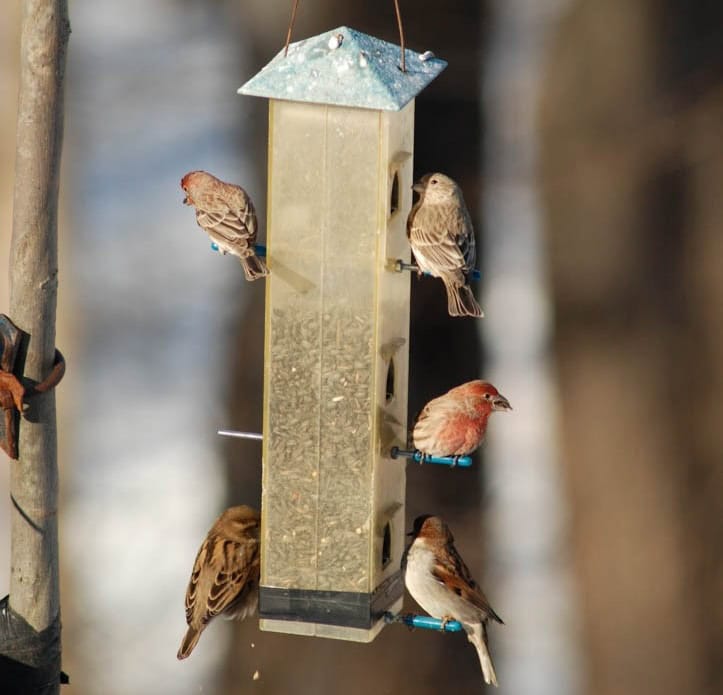
Anyone who has ever watched a pileated woodpecker feeding on a serviceberry, or seen a feeder full of rose-breasted grosbeaks knows what a joy it is to feed the birds. They are colorful, interesting, and diverse. The more you watch birds, the more interested you’ll become, and the more interested you become, the more you’ll want to contribute to their well-being. Once you realize what an amazing world it is out there and how we humans can affect that world negatively, or positively, I bet you’ll do everything in your power to make your yard a safer and better place for the birds, and other earthlings who share our spaces.
Happy bird watching!